Nov 22
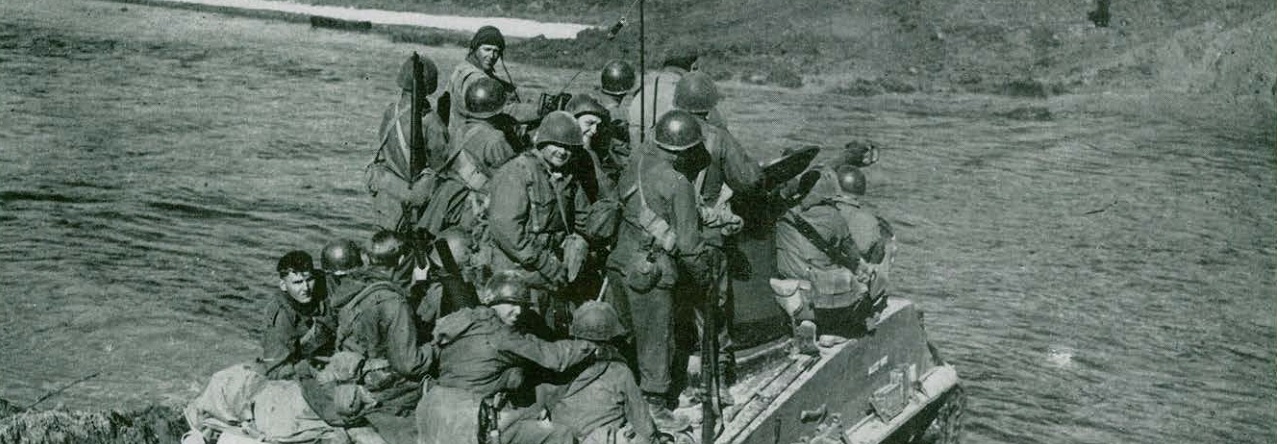
On November 22nd, the regiment was on the move from Sarrebourg to the North and East, heading about 7-8 miles to the area around Goerlingen. This maneuver was coordinated to thrust northward through the Saverne Gap, rolling through the Saar Valley and capturing the crossroads town of Sarre-Union. All the companies reported no contact with the enemy as they moved by truck to the new area. The 71st was supporting the advanced elements of the 106th Cavalry as they leap-frogged from town to town, filling in the allied front moving through the Saar River valley.
Nov 23 – Thanksgiving
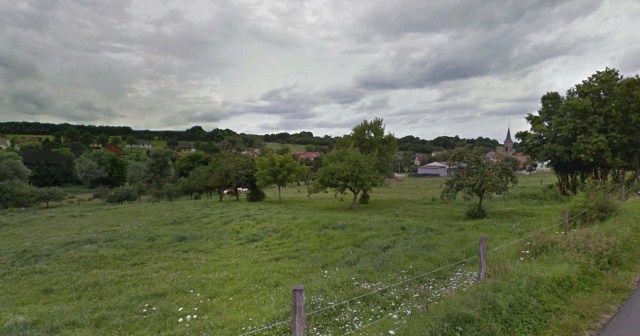
Though they were on the move, several companies had reasons to be thankful. Company D reported that the men were issued clean clothing and additional rations. Company M had “hot meals for the first time in ten days”. However, it wasn’t all rosy as First Battalion’s Anti-Tank platoon moved west and reported enemy mechanized resistance likely on the other side of the ridge to the west of Goerlingen (photo below). As the 71st was about to find out, they were making contact with the screening force for a German counter-attack designed to dislodge them from their newly-won positions.
Company F also didn’t get much of a Thanksgiving day, as they were actively defending the towns of Kirrberg, Postroff, and Barendorf about 2 to 3 miles to the north of Goerlingen, likely skirmishing with the 361st Volksgrenadiers.
November 23 (overnight) – November 24

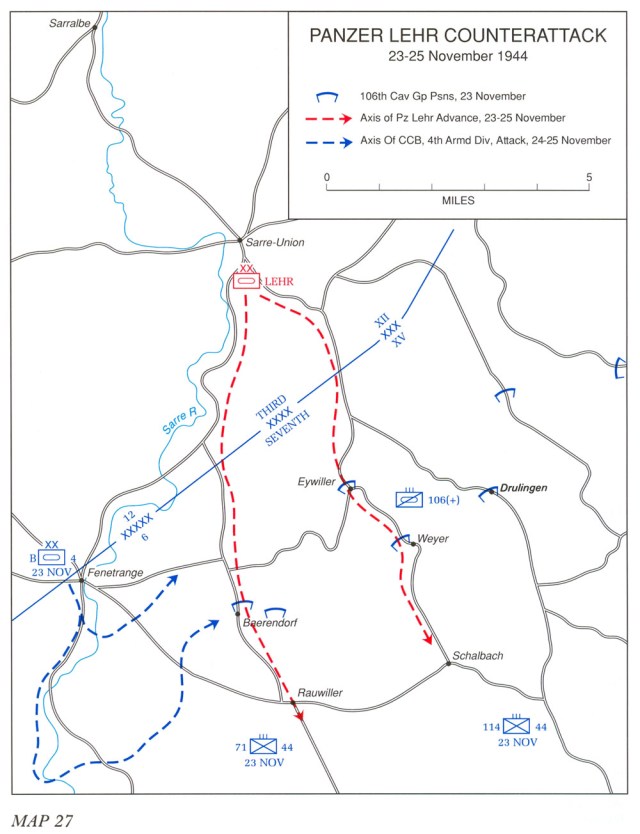
While the 71st was enjoying a bit of a lull, they were unknowingly in the crosshairs of the once-elite Panzer Lehr Division. This storied division, originally the ‘teaching’ armored division of the Wehrmacht, had been “bled white” during the Normandy campaign and had been sent back to the Munster training ground for refit and resupply. The Panzer Lehr division was moved 300 miles south and ordered, along with the 361st Volksgrenadiers (the main force opposing the 71st and the advanced elements of the 106th Cavalry) to push into the 71st Regiment and re-capture Sarrebourg as it had now become a central supply and logistics point for the advancing Allied forces. The Germans believed that a swift strike by the Panzer Lehr Division and it’s 60+ tanks with experienced crews, could cut off the Allies, re-take Sarrebourg, reunite the two German armies being split by the 44th Division / 7th Army and shore up the southern front as winter began in earnest.
While the 71st enjoyed a bit of quiet, the advancing German armor had arrived in Sarre-Union, split into two columns, and started pushing south. By the evening of the 23rd Panzer Lehr was plowing through the advanced elements of the 106th. The 71st had begun moving by trucks to the area in and around Kirrberg and the outskirts of Rauwiller and as dawn broke, the Germans began shelling the area with all First Battalion companies reporting heavy fire.
In the early hours of the 24th the acting commander of the third Battalion, Major Buschkamper, looked out the windows of his command post in Rauwiller to see several German tanks and about 70 infantrymen strolling down the street. As combat erupted, the tanks began firing point blank into the ground level of the Major’s house and he quickly found himself cut off from his men and surrounded by the advancing Germans (see footnote).
Company G had been on the way to Kirrberg when they were stopped and ordered to attack Rauwiller with Companies E and F on their left flank. They started the attack on the afternoon of the 24thbut were met by heavy resistance, no doubt due to the Germans having already overrun the town.
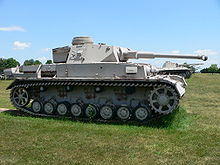
They quickly withdrew and took shelter in and around “four buildings on the right edge of town” where they continued to have “several engagements with enemy patrols”.
Company I also moved from their defensive position in Goerlingen to support the attack to stall the Panzer Division’s push into Rauwiller. They also ran into enemy resistance and were “pinned down by enemy fire all day.” All the companies in and around Rauwiller dug in for the night, maintaining security until the next morning.
November 25
As dawn broke on the 25th it appeared that the western column of Panzer Lehr’s advance to Sarrebourg was being held up by the 71st; it was by no means over. The tanks in Rauwiller began, in the words of Company E, “riding back and forth, firing point-blank at houses occupied by our men.” Although they tried fighting back and Company F “got several direct hits on [the] tank [it] did not seem to damage it in the least.” Company E managed to extricate themselves when a Battalion from 45th Division relieved them that evening.
Company G also withdrew from Rauwiller in the afternoon, making for the woods to the south. As they were digging in the 45th Division passed through their lines to attack the town. The Germans began firing into the woods, no doubt to slow the advance of the 45th but also dislodge the 71st. All of the Second Battalion retreated back to Goerlingen for rest and re-organization.
Footnote: It is interesting to note that the “Official History of the 71st Infantry Regiment” makes mention of “Tiger” tanks in the town of Rauwiller “firing their 88’s” into the buildings. After cross-checking several sources this author is quite certain that any Tigers (Panzerkampfwagen VI Tiger Ausf. E) Panzer Lehr may have had were either in repair back in Munster or (more likely) knocked out during the Normandy campaign. The western column (which opposed the 71st at Rauwiller) was primarily Pz IV’s with possibly a few Pz V “Panthers” mixed in. All the corroborating accounts of Panzer Lehr’s push toward Sarrebourg are quite specific that they had +/- 34 Pz IV’s and +/- 38 Panthers and not all of these units may have actually been involved. This isn’t to diminish the shock of seeing German armor of any kind waltzing into town but does point out the inadvertent embellishment that can work it’s way into re-telling of the accounts of engagements.
We will pick up Major Buschkamper’s story as the 71st supports the efforts to turn back the German armor and re-take Rauwiller and the towns north.
 Pro Aris et Pro Focis