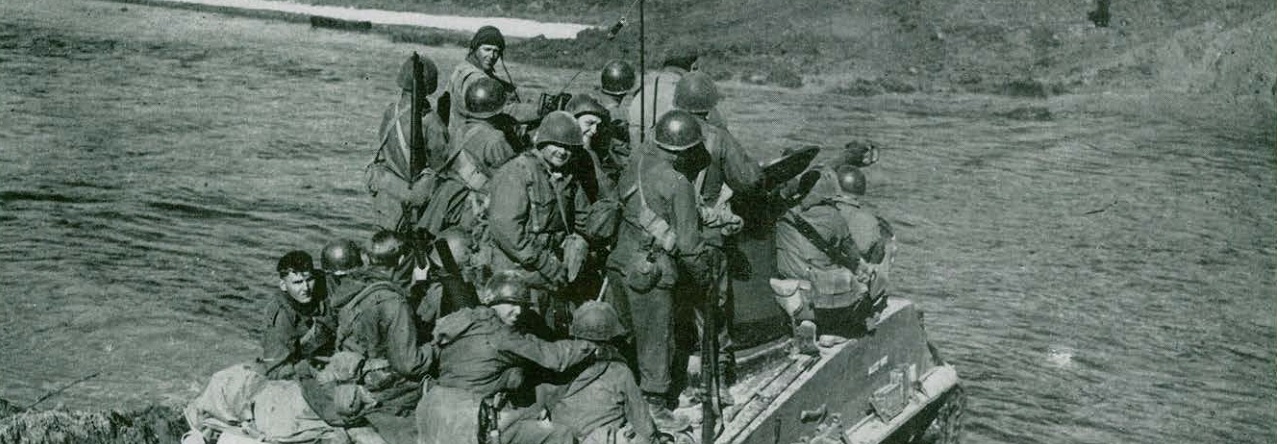

After being inducted into active duty on February 26, 1943, Dan went through his basic training at Fort Leavenworth, about 35 miles from his family farm. He was assigned to the Medical Detachment of the 71st, itself recently being attached to the 44th Infantry Division. The 71st participated in maneuvers at Camp Polk, Louisiana until April of that same year. In a strange twist of irony, Dan found himself back on the Kansas plains when the 71st relocated to Camp Phillips, just outside Salina, for final pre-deployment preparations. The men undoubtedly endured rounds of thunderstorms that fueled restless muggy nights. Those nights bloomed into sweltering afternoon heat as they trained; just three months later they would look back fondly on this weather as they endured winter in the Vosges Mountains.
On August 22nd, the entire Division left by rail and headed east. Arriving a few days later, they settled into Camp Myles Standish, just outside of Boston. Their orders were to leave via Boston Harbor for the European Theater in less than a week. Soldiers with free time and easy access to a big city is a volatile combination and the bar district was quickly overrun by the 44th. No doubt fueled by the nerves of looming deployment, Dan’s companions drank, smoked, and fought their way through the entire city.
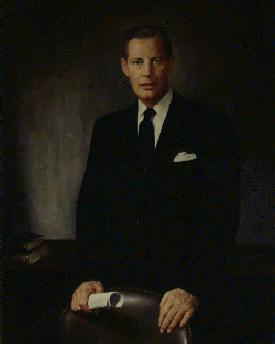
Boston’s elites and the City’s finest had enough and the Mayor, Maurice Tobin, closed all the bars and had the men of the 44th Division escorted back to Camp Standish with a very clear understanding that they were not to come back. The commanding general of the 44th, Robert Spragins, reinforced the message the next day, informing them that they were officially “Banned in Boston”. The phrase has lost its cultural significance but at the time referred to literature, music, movies or other entertainment deemed to contain objectionable sexual content or foul language.
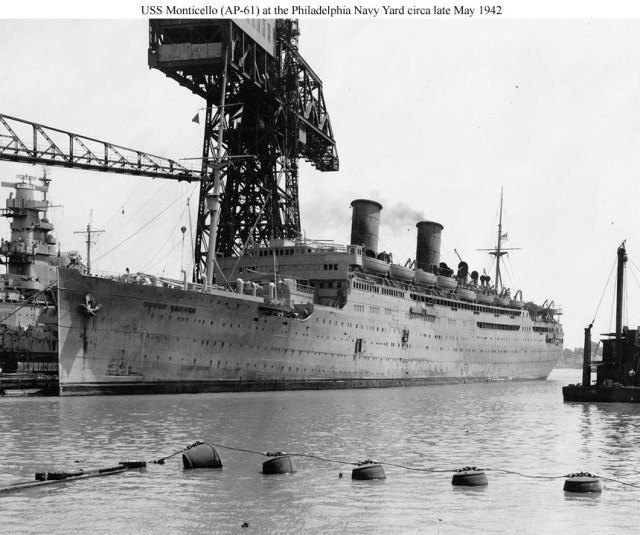
On Tuesday, September 5th, the 44th Infantry boarded two ships moored in Boston Harbor. Dan’s Regiment was assigned to the USS Monticello, a converted Italian ocean liner with a unique history of its own. Launched in 1927 as the SS Conte Grande she made voyages between the United States and Italy until transferred to Italy-South America tourist service in 1932. She was laid up in Santos, Brazil by her Italian officers upon hearing of Mussolini’s attack on France in June of 1940. She idled here until February of 1942 when she was transferred to a Brazilian registry. The US purchased the Conte Grande, renamed her “Monticello” and commissioned her as a troop transport ship on April 16, 1942. Two years later, on that September morning, Dan and his division walked up her gangplanks and settled in below decks for the ten-day Atlantic crossing.
 Pro Aris et Pro Focis